THERAPY SERVICES
Trauma Therapy That Helps You Feel Safe Again
Reclaim Your Life
You Deserve to Feel Safe, Whole, and at Peace
How Trauma Shows Up in Your Daily Life
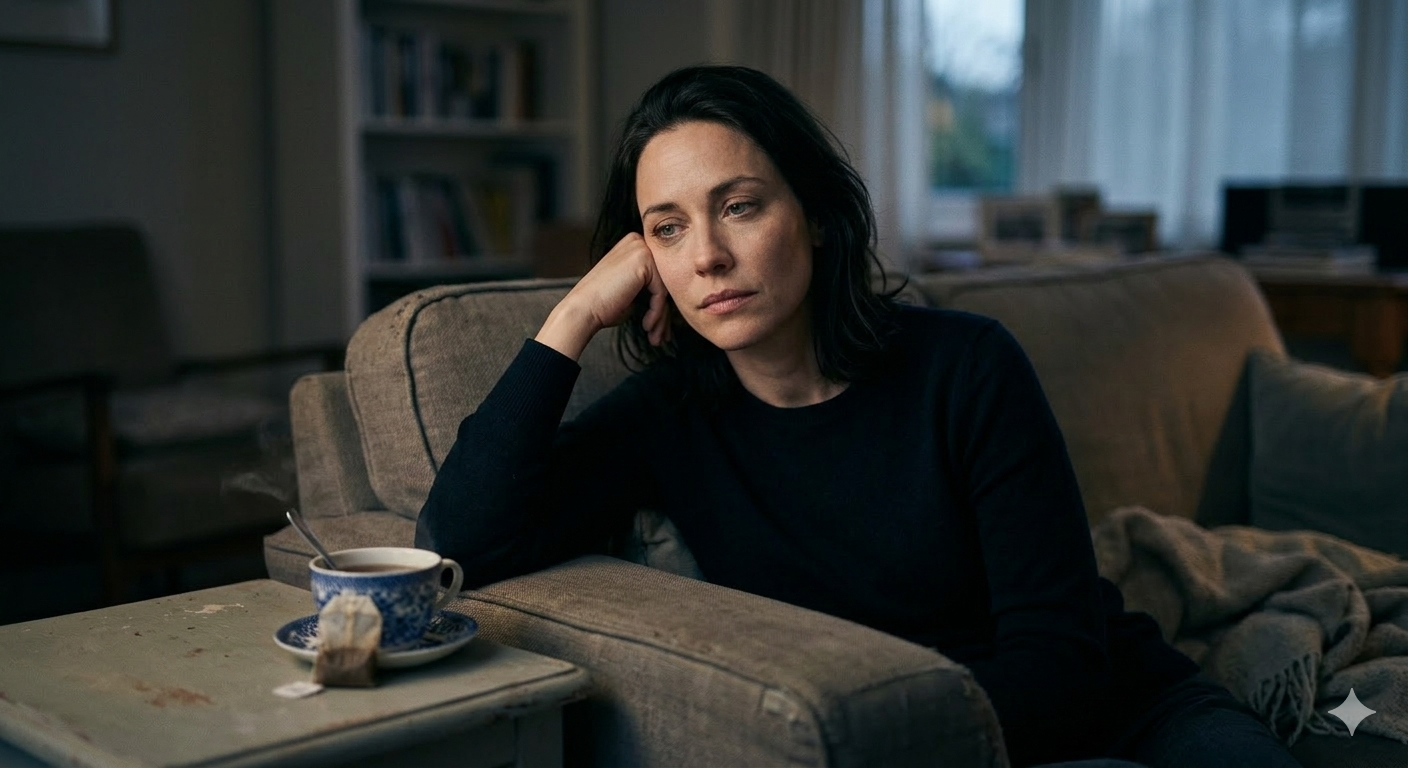
You might not use the word "trauma" to describe what you're going through. But something doesn't feel right. And it hasn't for a while.
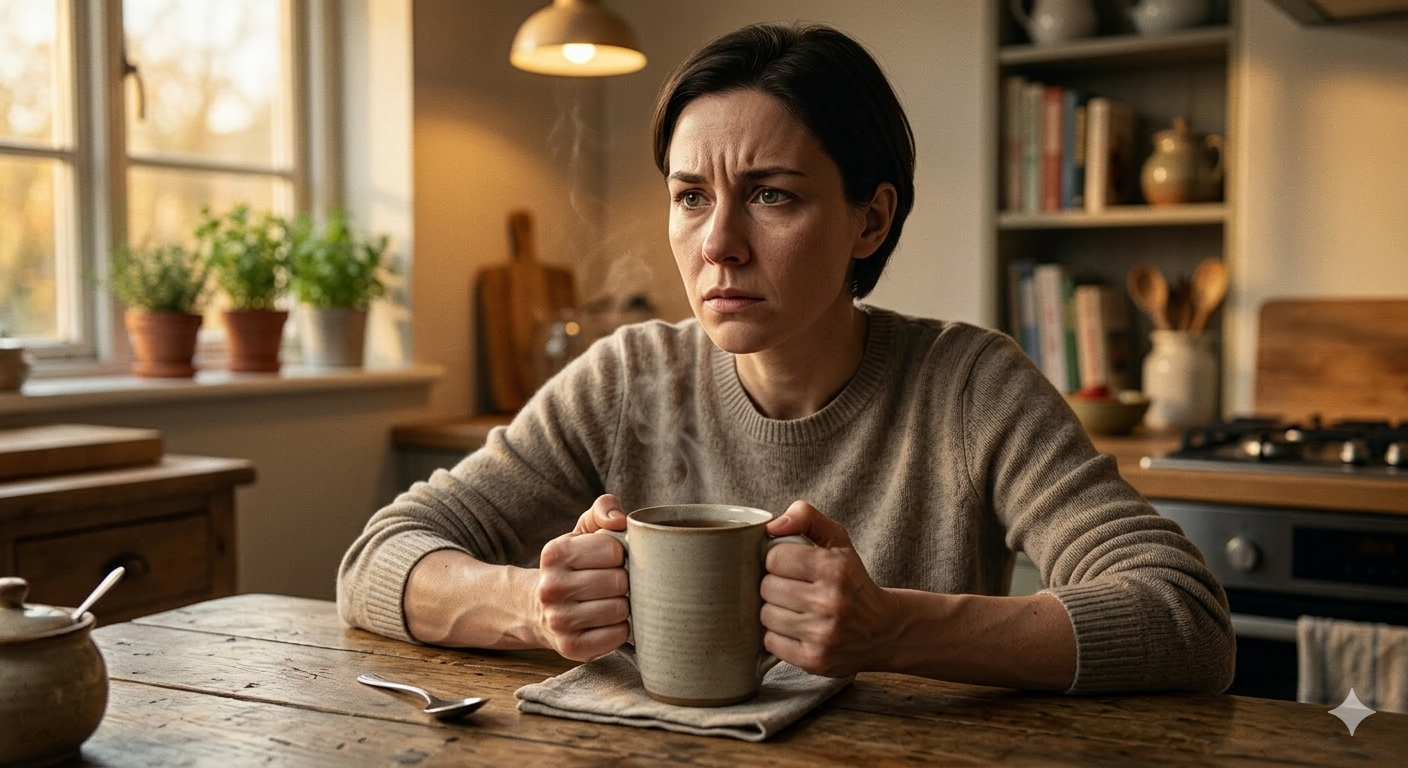
Maybe it's the way your body tenses before a difficult conversation. The way you shut down when someone raises their voice, or the way you can't stop replaying something that happened years ago. Perhaps you find yourself people-pleasing to avoid conflict, or feeling numb when you know you should feel something.
These aren't character flaws. They're signs that your nervous system learned to protect you, and it's still running those old programmes, even when the danger has passed.
Trauma doesn't always look like flashbacks or nightmares. It can show up as:
Anxiety that won't switch off, even when everything seems fine
Shutting down emotionally or going blank in stressful moments
Difficulty trusting people or letting them get close
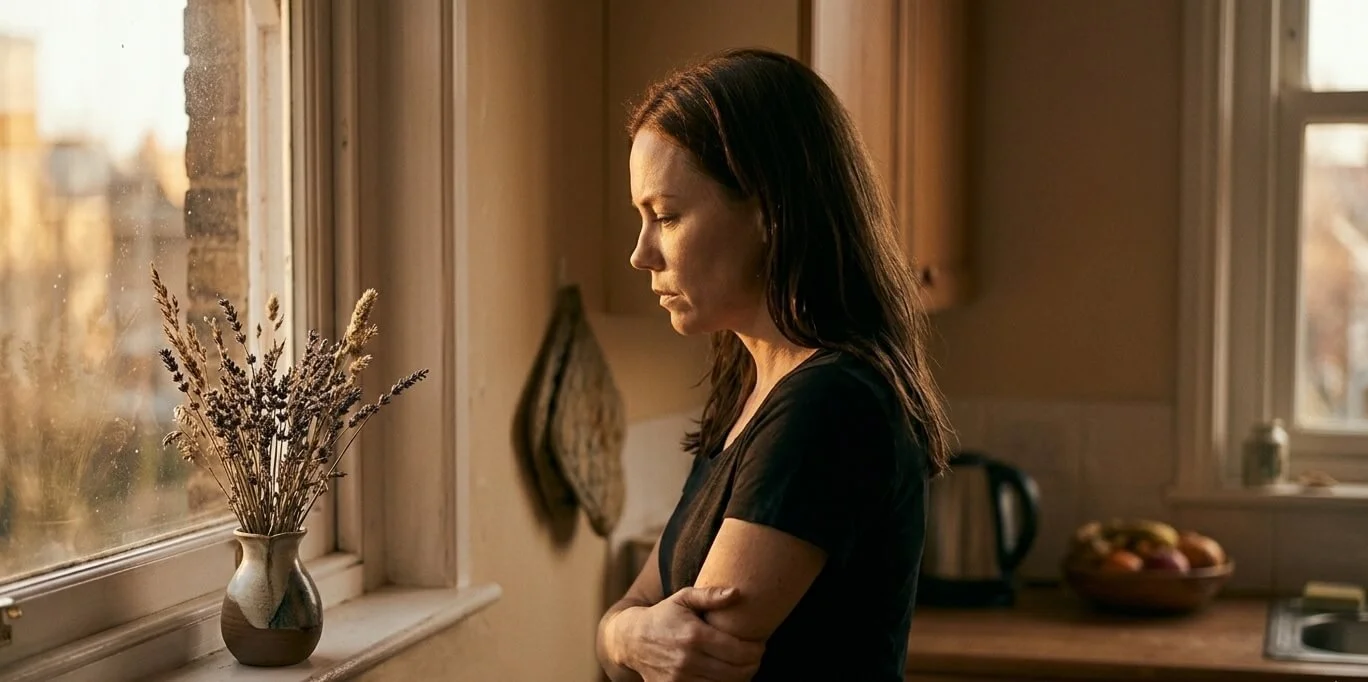
Shame that sits underneath everything, a quiet sense that something is wrong with you
Overworking, over-giving, or constantly proving yourself
Feeling on edge, easily startled, or unable to relax
Emotional exhaustion that sleep doesn't fix
If any of this sounds familiar, you're not broken. Your body is doing exactly what it learned to do. And with the right support, it can learn something new.

Understanding Your Survival Response
When something overwhelming happens, especially in childhood, your body develops automatic ways to keep you safe. These aren't choices. They're survival responses: fight, flight, freeze, and fawn.
I use a framework called the Survival Cycle to help you understand exactly how your body responds to threat and why it keeps repeating certain patterns. The Survival Cycle maps out six stages, from the initial trigger, through your body's physical response, to the protective behaviours you've relied on for years.
Understanding this cycle is often the moment things start to shift. When you can see why you react the way you do, the shame begins to lift. And real change becomes possible.

What Trauma Therapy Can Help You Achieve
Feeling in control of your emotions, instead of being controlled by them
Understanding your trauma responses and learning how to manage them
Experiencing true inner peace
Releasing the weight of the past and stepping into a future of possibility
Building deeper connections without fear or avoidance
Stopping constantly looking over your shoulder
Book a Free Consultation and start your journey to a calmer, more confident you.
How Trauma Counselling Works
Trauma therapy isn't about reliving the worst moments of your life. It's about understanding how those moments shaped the way your body and mind respond today, and gently building new ways of being.
You'll find a space where nothing is rushed and nothing is forced. Sessions are led by you. What you bring, what feels safe to explore, and what matters most right now.
Here's what that looks like in practice:
We start by understanding your patterns, using the Survival Cycle to make sense of what your body does under stress and why
We work with your nervous system, not against it, building your capacity to stay present and regulated, step by step
We focus on what's happening now, not just what happened then, because trauma lives in the body, not just in memory
We move at your pace. There is no script, no rigid protocol, and no pressure to "go there" before you're ready
Whether you're dealing with childhood trauma, complex PTSD, relationship wounds, or something you can't quite name yet, this is a space where you can begin to untangle it.

Who Is Trauma Therapy For?
You don't need a diagnosis to benefit from trauma therapy. You don't need to have experienced something "bad enough." If your past is showing up in your present, in your relationships, your anxiety, your sense of self, that's enough.
People come to trauma counselling for many different reasons:
Childhood experiences that left lasting marks. Neglect, criticism, instability, or growing up in a home where emotions weren't safe
Complex PTSD (cPTSD), the kind of trauma that builds up over time, often from ongoing difficult relationships
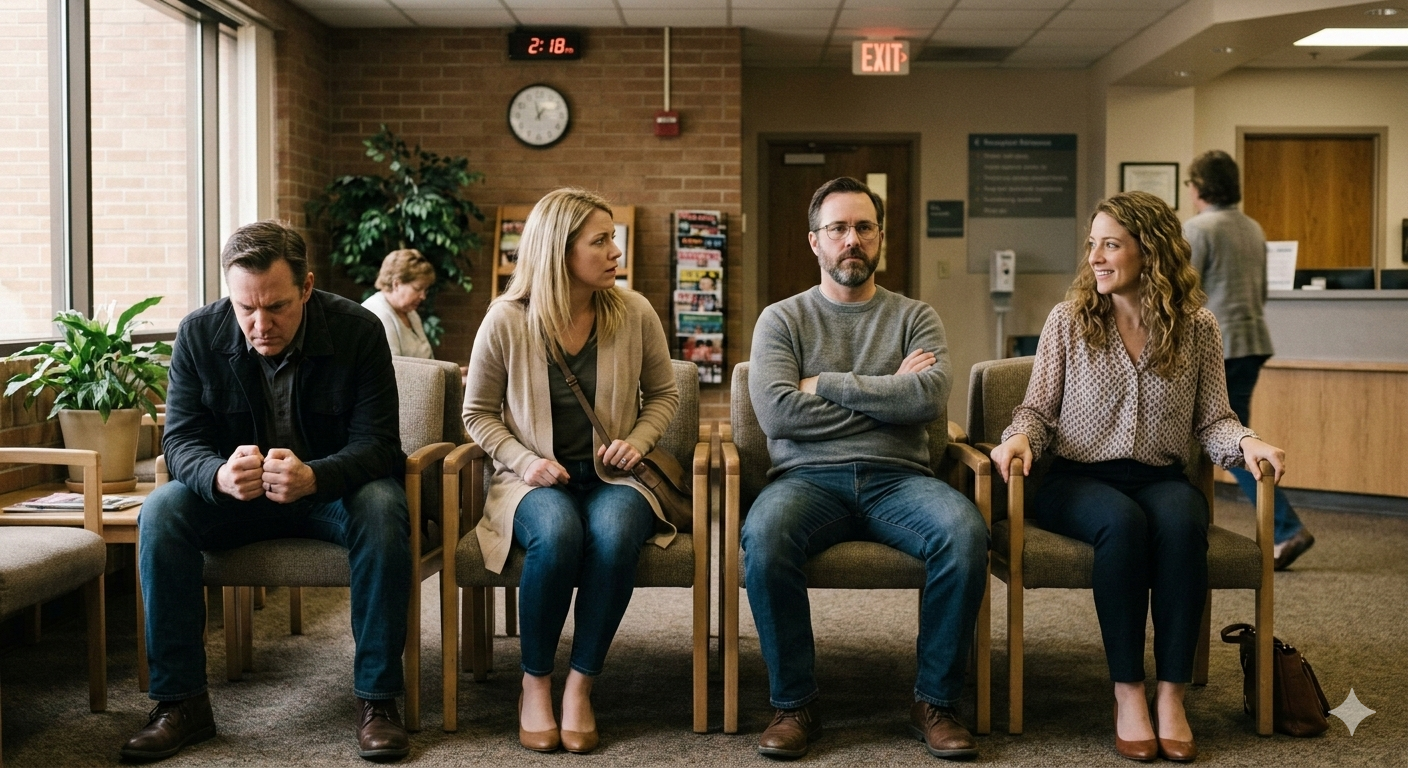
Relationship patterns that keep repeating. Choosing unavailable partners, struggling with trust, or losing yourself in other people's needs
Family dynamics that still affect you. Sibling rivalry, estrangement, or roles you were given as a child that you never chose
A single overwhelming event. An accident, a loss, a betrayal, or something medical that changed everything
A general sense that something isn't right. You function well enough on the outside, but inside there's disconnection, exhaustion, or a quiet sadness that won't shift
Whatever brought you here, you deserve support. And you don't have to figure it out alone.

Attachment and relationship patterns
One of the places trauma shows up most clearly is in our relationships. Not because other people are the problem, but because relationships are where our oldest survival strategies get triggered. If you find yourself in the same kind of dynamic again and again, even with different people, that is almost never a coincidence. It is usually your nervous system recognising something from much earlier and reaching for a familiar way to keep you safe.
For some people this looks like people pleasing. Saying yes when you want to say no. Absorbing other people's moods. Feeling responsible for other people's happiness. Feeling guilty for having needs of your own. This is the fawn response. It is a survival strategy that was once a clever solution to a situation where being agreeable was the safest thing you could do.
For others it looks like pulling away. Keeping people at arm's length. Finding yourself needing a lot of space.
Feeling suspicious of closeness when it arrives. This is often the flight response taking a subtler form.
For others it looks like reactivity. Feeling quickly flooded in arguments. Getting angrier, faster, than the situation seems to call for. Finding yourself on guard in relationships that are safe. This can be the fight response.
None of these patterns are character flaws. They are your body using a strategy it learned a long time ago, in a situation where it worked. The work of therapy is not to force yourself to stop doing them. It is to understand them, soften around them, and slowly give your nervous system evidence that a different shape is now possible.
If any of this sounds familiar, the Why Do I People Please and Sibling Rivalry blogs go into the fawn response and family-system patterns in more detail.
Common Questions About Trauma Therapy
-
Trauma therapy is a form of counselling that focuses on how past experiences, especially overwhelming or frightening ones, continue to affect your body, emotions, and behaviour today. Rather than just talking about what happened, trauma therapy helps you understand your survival responses and build new ways of feeling safe in the present. Read more about how trauma works in our guide: What Is Trauma?
-
If you're experiencing anxiety that doesn't seem to match your circumstances, emotional numbness, difficulty in relationships, shame, hypervigilance, or patterns you can't seem to break, these can all be signs of unresolved trauma. You don't need a diagnosis or a specific event. If your past is affecting your present, trauma therapy can help. Not sure if therapy is right for you? Read our guide: Do I Need a Therapist?
-
PTSD typically follows a single traumatic event, such as an accident, an assault, or a sudden loss. Complex PTSD (cPTSD) develops from repeated or prolonged trauma, often in childhood or within relationships. cPTSD can affect your sense of identity, your ability to regulate emotions, and how you relate to others. Both respond well to therapy.
-
There's no fixed timeline. Some people begin to feel shifts within a few sessions; for others, deeper patterns take longer to untangle. What matters is that you move at a pace that feels safe. We'll regularly check in on how therapy is working for you and adjust as we go.
-
Yes. Online trauma therapy can be just as effective as in-person sessions. Many people find that being in their own space actually helps them feel safer and more open. Rino offers online sessions so you can access support wherever you are.
-
Sometimes the intensity of traumatic experiences fades with time, but the patterns they create, the anxiety, the shutdown, the relationship difficulties, often don't resolve without support. Your body learned to protect you in a certain way, and it needs help learning that the danger has passed. Therapy provides that space.
-
Yes, and understanding where the pattern came from tends to be the first place things shift.
People pleasing is a survival strategy, usually the fawn response, that once kept you safe in a situation where being agreeable was the easiest way to be loved or left alone. It is not a personality trait and it is not a choice you keep making. Therapy that works with the body and the nervous system can help loosen the pattern without making you feel wrong for having it.
Take the First Step Toward Healing
There is no right moment to start this kind of work, and there is no story too small or too old to bring. If part of you has been wondering whether it is time, that is usually worth listening to.
Sessions are £70 for 50 minutes and I work online across the UK. My practice is full at the moment and I am running a waitlist, so if you would like to work with me, add your name and I will be in touch as soon as a space opens. The first step when it does is a free 20 minute call, to see whether this feels like the right fit. If you are not sure where to start, you can message me first and ask anything you like. There is no pressure and no script.
Related Articles